Follow Me On Social Media!
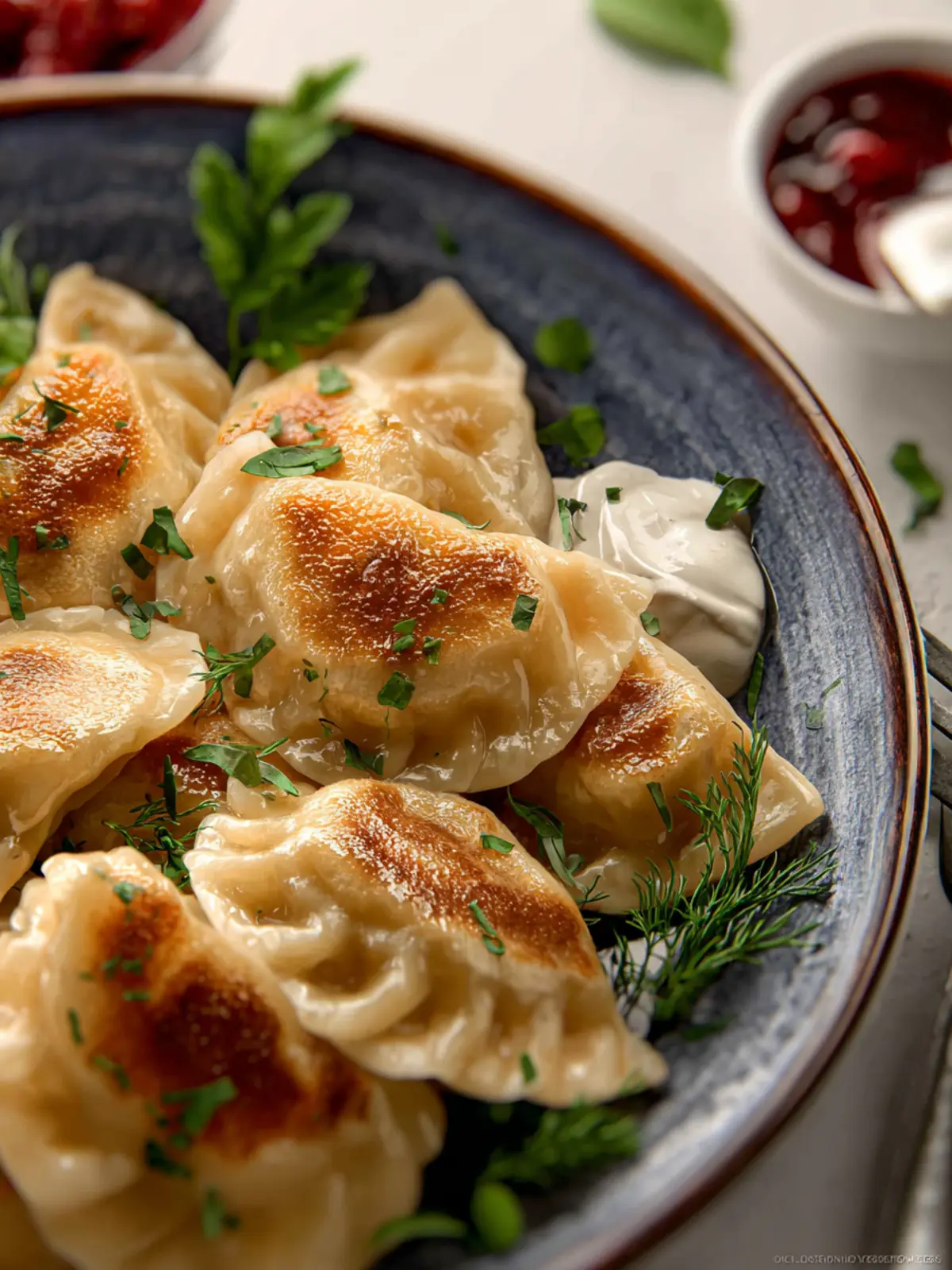
Pierogi Perfection: Irresistibly Easy Recipes to Savor

Introduction to Pierogi
There’s something undeniably heartwarming about pierogi—these little dumplings are more than just food; they embody the comforting essence of home-cooked meals and traditions shared across generations. Originating from Eastern Europe, pierogi have carved out a special place in many kitchens and hearts alike. Picture sitting around a cozy dinner table, surrounded by friends and family, sharing stories over steaming plates piled high with these delicious dumplings.
Why pierogi are the ultimate comfort food
When it comes to comfort food, pierogi steal the show with their versatile fillings and satisfying dough. Whether you prefer savory options like potato and cheese or zesty sauerkraut, or sweet varieties filled with fruits like blueberries or strawberries, there’s a pierogi for everyone. They are essentially the culinary equivalent of a warm hug, making them perfect for any occasion—family gatherings, cozy nights in, or festive holiday celebrations.
-
Versatility: The beauty of pierogi lies in their adaptability. You can customize fillings based on what’s in season or what you have on hand, making them a creative outlet as much as a dish. This means you can get creative, experimenting with unexpected flavors and combinations that reflect your personal tastes.
-
Tradition: Eating pierogi is often tied to cultural traditions, offering a sense of nostalgia that reminds us of family recipes passed down through generations. It’s a way to connect with loved ones, share tales of the past, and create new memories.
-
Satisfaction: Biting into a perfectly cooked pierogi, with the right balance of softness and flavor, creates a satisfying experience that can’t be beaten. The combination of a chewy dough and delicious filling often leaves you feeling completely content.
As you embark on making your own pierogi, keep in mind that the cooking process can be just as fulfilling as the finished product. Gather your ingredients and let the aroma of freshly prepared dumplings fill your kitchen, transforming your space into a haven of warmth and comfort.
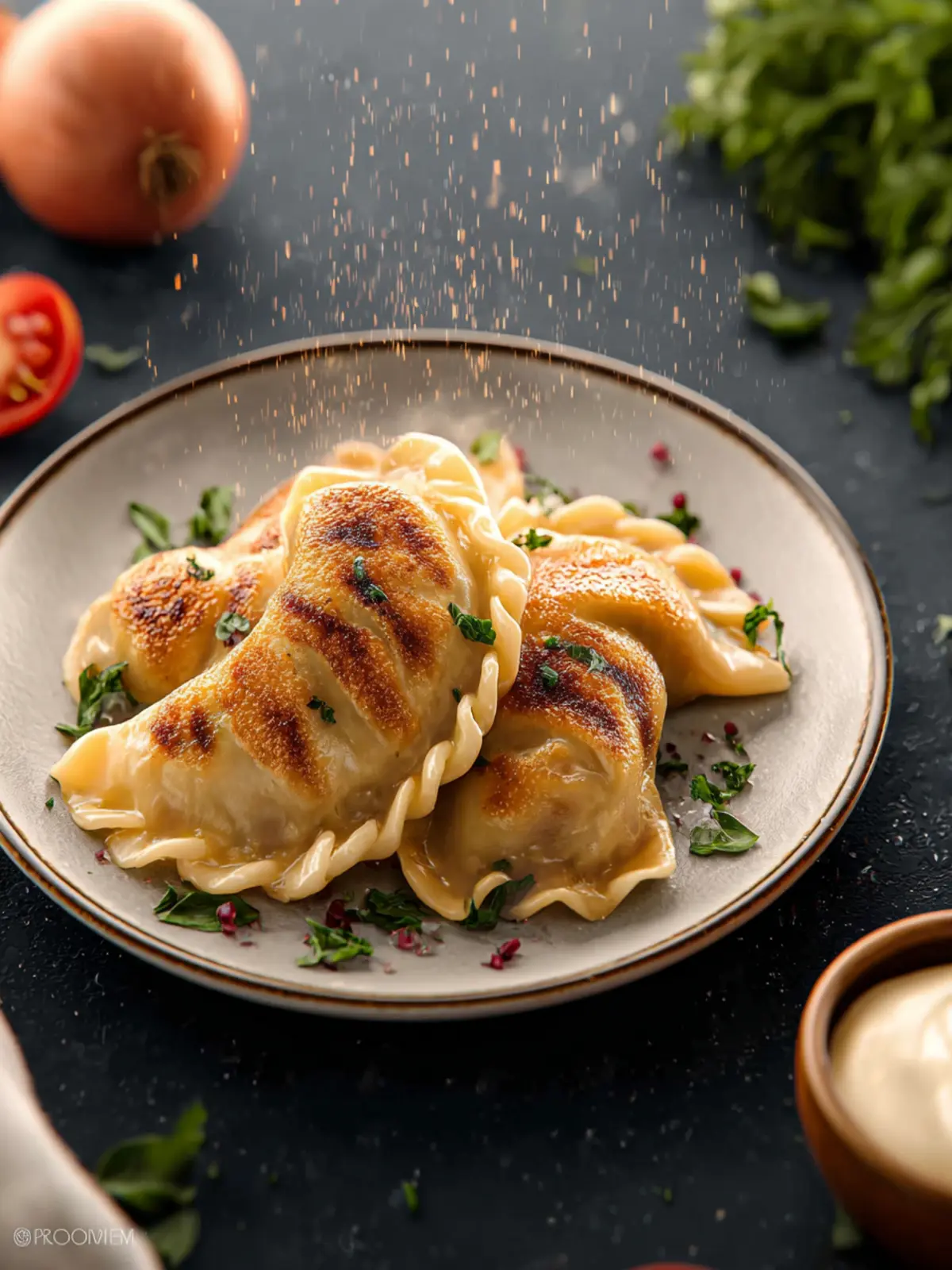
Key Ingredients for Pierogi
When it comes to pierogi, the heart of this beloved dish lies in its comforting, tender dough and flavorful fillings. Making these delightful dumplings at home opens the door to a world of culinary creativity, so let’s break down the key ingredients that bring pierogi to life.
Flour: The foundation of our pierogi dough is all-purpose flour. It provides the perfect balance of elasticity and tenderness that makes each bite satisfying. For those gluten-free enthusiasts, a gluten-free flour blend can work as a substitute with good results.
Eggs: Incorporating eggs helps bind the dough together, giving it that silky texture. I find that using medium-sized eggs works best; egg size can slightly alter the dough’s consistency, so keep that in mind!
Water: Fresh, lukewarm water is essential in making the dough manageable and pliable. Gently mix it in until you reach the perfect consistency, which should be soft but not sticky.
Salt: A pinch of salt elevates the flavor of the dough without overpowering the fillings. It’s a simple step that makes a significant difference.
Fillings: Now, for the fun part: fillings! Traditional options include mashed potatoes with cheese, sautéed onions, or even sauerkraut. Be adventurous and try combinations like mushrooms, spinach, or sweet fillings like fruits!
Each ingredient plays a crucial role in crafting the perfect pierogi. Happy cooking!
Why You’ll Love This Pierogi Recipe
Comfort food with a twist
Nothing says comfort food quite like pierogi, and this recipe elevates the traditional dumpling to new heights. For many, pierogi evoke fond childhood memories of family gatherings where the kitchen was filled with sizzling pans and laughter. This recipe captures that nostalgic warmth while adding unique flavors that are sure to impress.
One of the things you’ll adore about this version is the delightful interplay of textures and tastes. With a perfectly tender dough enveloping a savory filling, each bite offers a satisfying hug of comfort. Plus, the versatility of pierogi means they can easily accommodate your favorite fillings—whether you lean towards classic potato and cheese or want to experiment with creative combinations like mushrooms and sauerkraut.
Cooking pierogi is not just about the food; it’s a chance to connect with friends or family in the kitchen, sharing stories and laughter as you fold each dumpling with care. Plus, there’s something so gratifying about watching them rise and brown, ready to be flipped into golden perfection.
So whether you’re hosting a dinner party or enjoying a cozy night in, this pierogi recipe will undoubtedly become a beloved staple in your culinary repertoire. Embrace the joy and warmth of this dish, and you’ll see why it’s beloved by so many!
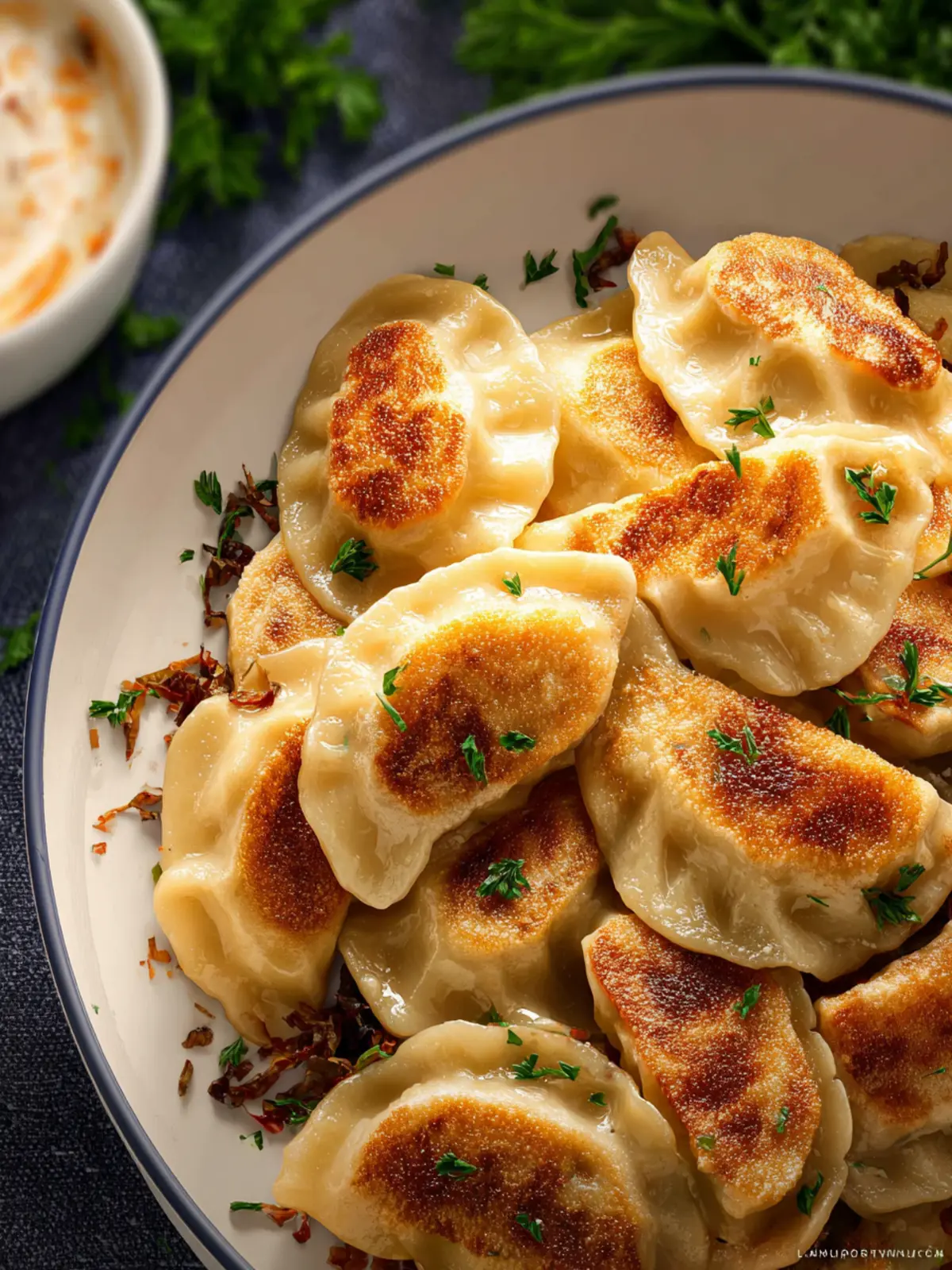
Cooking Tips for Perfect Pierogi
Creating the perfect pierogi is truly an art that combines tradition and technique. The dough and filling are pivotal to crafting these delightful dumplings, and a few essential tips can elevate your kitchen game.
Essential tips for dough and filling
-
Choosing the Right Flour: All-purpose flour is usually the go-to for pierogi dough. It strikes a great balance between strength and tenderness. If you’re aiming for a lighter texture, consider using half all-purpose and half cake flour.
-
Knead with Care: When making your dough, knead it until it becomes smooth but don’t overdo it. A few minutes should suffice; over-kneading can lead to tough pierogi.
-
Resting is Key: Once you’ve kneaded the dough, let it rest for about 30 minutes. This allows the gluten to relax, making it easier to roll out.
-
Filling Flavor: Opt for fresh ingredients when making your filling—whether it’s potato, cheese, or sauerkraut. Fresh potatoes are lighter and creamier than pre-packaged options.
-
Balance is Important: Season your filling well. A pinch of salt and a dash of pepper can make all the difference. Don’t hesitate to experiment with herbs or spices to add your personal touch!
-
Sealing Techniques: When filling your pierogi, make sure to seal them properly to prevent any filling from oozing out during cooking. Try pinching the dough together, or use a fork to crimp the edges for an extra secure closure.
Engaging with these tips will hone your skills in creating authentic and delicious pierogi that friends and family will adore. Happy cooking!
Time Breakdown for Pierogi
Making pierogi is a delightful culinary journey, perfect for a cozy weekend at home. The time it takes is well worth the effort put into creating these delicious dumplings filled with scrumptious fillings.
Preparation time
The first step involves some prep work, which takes about 30 minutes. This includes gathering ingredients, mixing the dough, and preparing your filling choices.
Cooking time
Once your dough is ready, cooking the pierogi will take roughly 20 minutes. You’ll boil them until they float and then pan-fry them if you prefer a crispy texture.
Total time
Altogether, you’re looking at about 50 minutes from start to finish. It’s a fantastic way to spend your time, especially when the end result is a plate full of these savory delights ready for sharing (or devouring solo)!
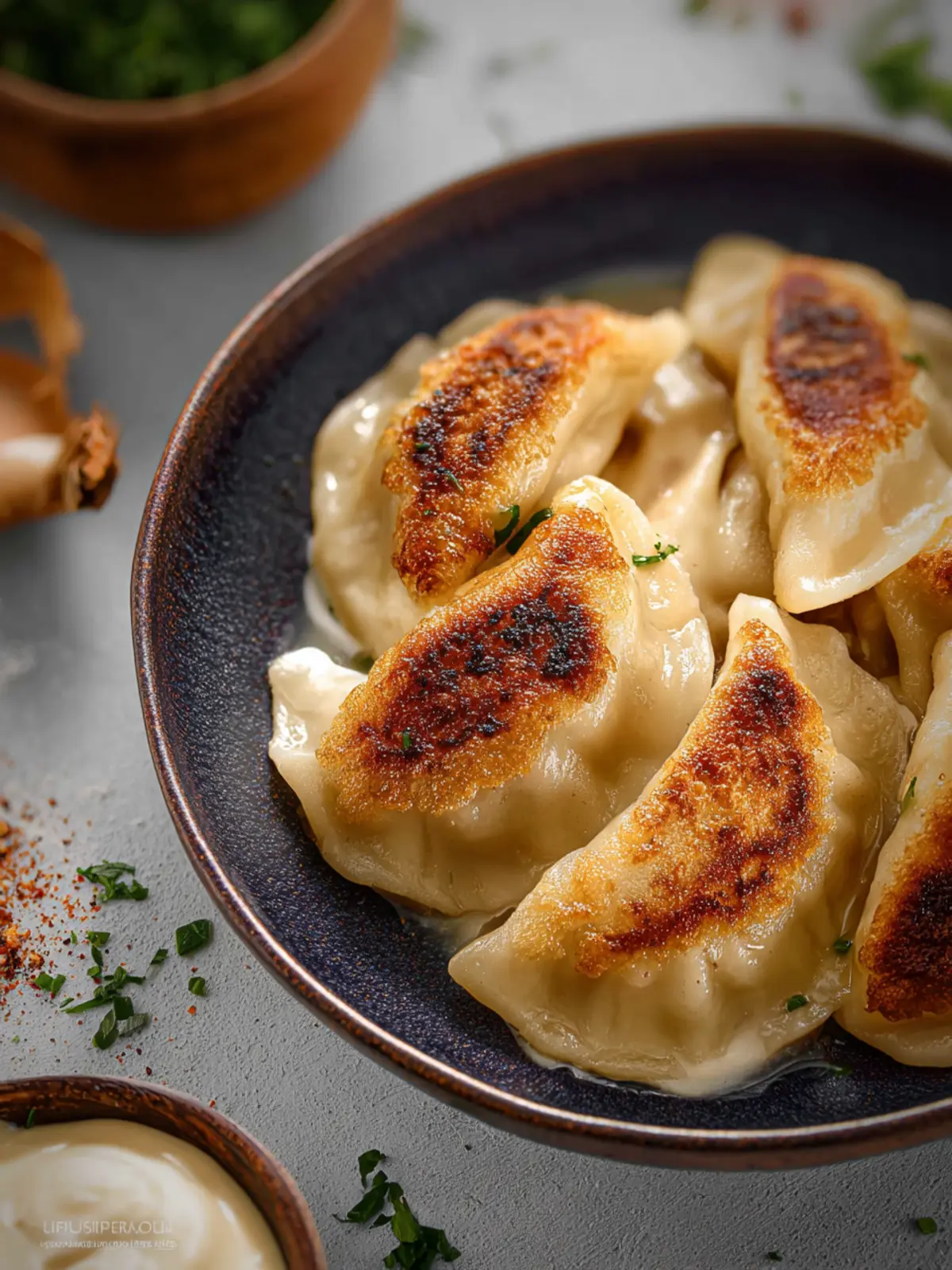
Nutritional Facts for Pierogi
Understanding the nutritional facts for pierogi can help you enjoy these delightful dumplings guilt-free! When you’re savoring a warm, filled pierogi, it’s nice to know how they contribute to your diet.
Calories
On average, a serving of pierogi contains around 200 calories. This can vary depending on the fillings and cooking method. A crispy pan-fried pierogi will pack a bit more than a boiled one, so choose according to your preference!
Fiber
One serving can provide approximately 3 grams of dietary fiber, making pierogi a filling meal choice. Fiber is crucial for digestive health and can help you feel satiated longer.
Protein
Pierogi are quite versatile in terms of protein content, typically holding around 5–7 grams per serving. The type of filling you choose, whether it be cheese, meat, or vegetables, will influence the overall protein value, making it easy to tailor this dish to your nutritional needs.
FAQs about Pierogi
Exploring the delightful world of pierogi brings a wave of culinary curiosity, often leaving home chefs with lingering questions. Whether you’re a newbie or a seasoned pro, these FAQs will help you navigate the intricacies of making these delightful dumplings.
Can I freeze pierogi?
Absolutely! Freezing pierogi is a great way to preserve them for future enjoyment. After you prepare and fold the dumplings, place them in a single layer on a baking sheet and freeze until firm. Once frozen, transfer them into freezer bags, ensuring to remove as much air as possible. They can be stored for up to three months. When you’re ready to eat, just boil them straight from the freezer—no need to thaw!
What else can I fill my pierogi with?
The beauty of pierogi lies in their versatility. While traditional fillings like potato and cheese or sauerkraut are classics, you can get creative. Here are a few popular ideas:
- Meat: Use ground beef, pork, or chicken, seasoned to your liking.
- Vegetables: Spinach, mushrooms, or roasted bell peppers make for great vegetarian options.
- Berries: Sweet fillings like blueberries or cherries with a touch of sugar can make for a delightful dessert version.
Don’t hesitate to mix and match or invent your own unique filling!
Are pierogi healthy?
Like many comfort foods, the healthiness of pierogi can vary based on ingredients and preparation. Opting for whole wheat flour for the dough and using wholesome fillings like vegetables or lean meats can make them more nutritious. Remember, moderation is key! Enjoy them as part of a balanced diet, and you’ll savor their deliciousness without the guilt.
Conclusion on Pierogi
In wrapping up this delightful exploration of pierogi, it’s clear these little dumplings offer more than just comfort food; they are a canvas for creativity and tradition. Whether you choose a classic potato and cheese filling or venture into the realm of fruity dessert pierogi, the possibilities are endless.
Don’t hesitate to experiment with different fillings or dipping sauces, and definitely consider making them a communal cooking experience with friends or family. After all, food tastes better when shared. So roll up your sleeves, get cooking, and enjoy every moment with your pierogi! Happy cooking!
Print
Pierogi
- Total Time: 1 hour
- Yield: 4 servings 1x
Description
A delicious recipe for homemade pierogi filled with creamy mashed potatoes, cheese, and sautéed onions.
Ingredients
Scale
- 2 cups All Purpose Flour
- ½ cup Warm Water
- 1 Large Egg (Beaten)
- 2 tablespoons Butter (melted)
- 1 teaspoon Salt
- 2 pounds Russet Potatoes
- ½ White Onion (finely sliced)
- 4 tablespoons Butter (Divided)
- 2 cups Shredded Cheddar Cheese
- 1 teaspoon Salt
- ½ teaspoon Black Pepper
- 1 Onion (thinly sliced)
- 2 tablespoons Salted Butter
- Sour Cream (optional, for serving)
Instructions
- In a large mixing bowl, mix together the flour, eggs, butter, salt and water until a dough is formed.
- Knead the dough on a flat working surface for 4-5 minutes until the dough is smooth and easy to work with.
- Place the dough in a bowl, cover it and let it rest at room temperature for at least 30 minutes.
- Peel the potatoes and dice them into small pieces (1-2 inches). Place the potatoes in a saucepan and cover it with water. Bring to a boil and cook for 12-15 minutes until the potatoes are fork tender.
- While the potatoes are cooked, melt 2 tablespoons of the butter in a large skillet over medium high heat. Add in the sliced onions and cook until the onions are tender but not browned.
- Place the potatoes in a mixing bowl. Mash them with a hand held mixer. Stir in the onions, cheese and remaining butter. Mash until the potatoes are combined and smooth.
- Roll the dough out until it’s approximately 1/8 inch thick. Cut the dough into 3 inch circles with a round cookie cutter or biscuit cutter.
- Scoop approximately 1 Tablespoon of the potato filling and roll the mixture into a ball. Place each of the ball fillings onto each of the dough rounds. Fold the dough over to form a half circle and pinch the edges together to seal them close.
- Continue this process until all the pierogies are formed.
- Heat the remaining butter in a large skillet over medium high heat until melted. Stir in sliced onions and cook for 3-4 minutes until the onions are tender. Remove the pan and set aside.
- Bring a large pot of water to a low boil. Carefully add in the pierogies and cook until they float (approximately 2-4 minutes). Make sure to not crowd the pan. You will likely need to cook in batches.
- Once boiled, add the pierogies to the skillet with the melted butter. Sauté for approximately 5 minutes per side until lightly browned.
- Remove from the skillet, warm warm with the onions and sour cream (if using). Enjoy!
Notes
- For extra flavor, consider adding herbs such as chives or dill to the potato filling.
- These pierogies can be frozen before boiling and cooked directly from the freezer.
- Prep Time: 30 minutes
- Cook Time: 30 minutes
- Category: Main Course
- Method: Boiling and Sautéing
- Cuisine: Eastern European
Nutrition
- Serving Size: 4 pierogies
- Calories: 350
- Sugar: 1g
- Sodium: 800mg
- Fat: 15g
- Saturated Fat: 8g
- Unsaturated Fat: 5g
- Trans Fat: 0g
- Carbohydrates: 45g
- Fiber: 3g
- Protein: 10g
- Cholesterol: 75mg