Follow Me On Social Media!

How to Keep Salad Fresh: Best Tips for Crisp, Flavorful Greens

Introduction to Keeping Salad Fresh
When you think of salads, freshness is likely the first thing that comes to mind. Just imagine biting into a crisp leaf of romaine or a juicy cherry tomato bursting with flavor—the sensation ignites the taste buds and brings joy to any meal. Unfortunately, maintaining that delightful freshness can sometimes feel like an uphill battle. With busy schedules and the temptation to prep in advance, many of us might find ourselves staring at wilted greens or mushy vegetables by the time dinner rolls around.
Fresh salads are not just about aesthetics; they play a significant role in our health, providing essential vitamins, minerals, and fiber. But what’s the secret to keeping salad fresh? It turns out that a few simple tips can make a world of difference. These methods not only extend the life of your salad ingredients but also enhance your meals’ flavor and texture.
The Importance of Freshness in Salads
Why should we be so concerned with freshness? Research shows that fresh produce retains more nutrients compared to items that have gone limp or soggy. By prioritizing the quality of your ingredients, you ensure that your salads are not just tasty but also nourishing. After all, nobody enjoys a salad that looks unappetizing or tastes bland.
To keep your salads vibrant, consider the following methods:
- Proper Washing: Always rinse off dirt and pesticides before storing. Use cold water and dry thoroughly to avoid moisture build-up.
- Storage Solutions: Invest in breathable containers or use paper towels to absorb moisture—this simple act can keep your greens crisp for days.
- Smart Layering: When packing salads, layer denser ingredients on the bottom and delicate greens on top. This ensures that they remain undamaged and fresh longer.
As we dive deeper into how to keep salad fresh, you will discover practical tips and tricks to enhance your meal prep. Armed with this knowledge, you’ll serve up salads that not only meet your health needs but also satisfy your cravings for freshness and flavor.

Key Ingredients for Keeping Salad Fresh
Fresh greens are the secret to a vibrant salad. Think of your favorite farmer’s market salad—everything crisp, aromatic, and brimming with flavor. The way to achieve that freshness lies in choosing quality ingredients and proper storage techniques.
-
Leafy Greens: Opt for a variety of greens like romaine, spinach, or arugula. These are more robust compared to delicate greens and can withstand storage better.
-
Herbs: Fresh herbs like cilantro or parsley not only enhance flavor but also add a touch of freshness. Make sure they’re stored properly, ideally wrapped in a damp paper towel within the bag.
-
Vegetables: Choose firm veggies such as bell peppers, cucumbers, and carrots. Cutting them prior to storage can create moisture, so consider cutting only what you need for salads that day.
-
Dressings: Keep your dressing separate until serving to avoid wilting your greens. A glass jar works perfectly for easy storage and shaking before you pour.
By focusing on these key ingredients, you can master how to keep salad fresh and always enjoy that farm-fresh taste!
Why You’ll Love Keeping Salad Fresh
When it comes to how to keep salad fresh, it’s all about enhancing your culinary experience. Imagine opening your fridge to a crisp, colorful salad, fresh and ready to enjoy after a long day of work. Keeping your greens vibrant not only elevates your meals but also nurtures your health, making it a delightful habit.
Fresh salads like leafy greens, cherry tomatoes, and crunchy cucumbers are often the star of any dish, whether you’re prepping a quick lunch or hosting a dinner party. However, they can quickly lose their crispness if not stored correctly. This can be discouraging, especially when you’ve put in the effort to whip up a delicious bowl.
-
Improved Flavor: Fresh salads taste better. Imagine biting into a vibrant, crunchy vegetable—it’s a world apart from wilted greens.
-
Savvy Meal Prep: Knowing how to keep salad fresh allows you to prepare your meals in advance, saving you time during hectic weekdays.
-
Boosted Nutrition: Fresh ingredients retain more vitamins and minerals. Keeping your salad fresh means you’re getting the best nutrients.
Incorporating these simple tips into your routine means you’ll not only enjoy a delightful meal but also cultivate a sustainable and healthy lifestyle. Why not embrace the freshness?
Tips for Making Salad Last Longer
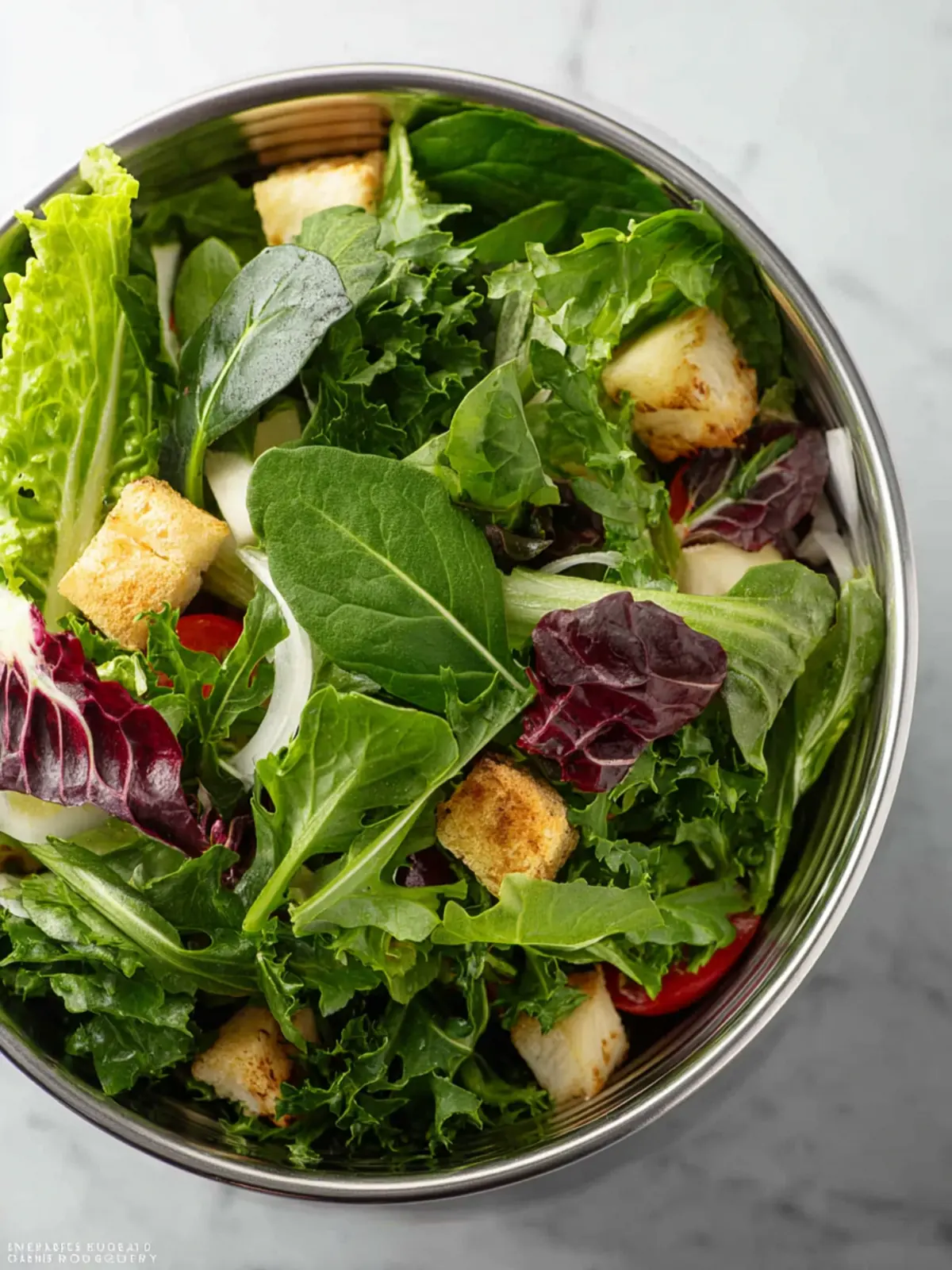
Keeping salads fresh isn’t just about eating healthily—it’s also about saving time and minimizing waste, especially for busy professionals managing meal prep. Picture this: you’ve spent your Sunday chopping fresh veggies and mixing vibrant greens, only for them to wilt by Wednesday. Here are some helpful tips for making salad last longer in your fridge.
Choose Your Greens Wisely
Some greens fare better than others in terms of longevity. For example, heartier options like kale and cabbage can endure a few extra days compared to delicate varieties such as spinach or arugula. If you know you won’t finish your salad within a couple of days, opt for sturdier greens.
Keep Dressings Separate
One of the most effective ways to keep salad fresh is to store your dressing separately. This prevents the greens from wilting prematurely. Invest in a few small containers for your sauces to help maintain that crisp texture until you’re ready to eat.
Dry, Then Store
Moisture is the enemy of freshness. Ensure all your ingredients are thoroughly dried before storage. A salad spinner can be a great tool here. Once dry, store your salad in airtight containers to prevent any moisture from getting in.
Add a Paper Towel
Placing a paper towel inside your salad container helps absorb excess moisture. Just a simple trick can make a significant difference in extending the life of your greens.
Implementing these tips can ensure that your salads stay fresh, making healthy eating more convenient and enjoyable throughout the week!
Time Breakdown for Preparing Fresh Salad
Preparing a fresh salad can be a quick and refreshing endeavor when you know how to keep salad fresh, ensuring vibrant flavors and crisp textures. Timing is everything, so here’s how to break it down:
Preparation time
Start with about 15 minutes to wash and chop your ingredients. This includes everything from leafy greens to crunchy vegetables, ensuring freshness in every bite.
Storage time
After preparation, salads can typically be stored in the refrigerator for up to 3 days. Just remember to keep the dressing separate until serving to maintain that crunch!
Total time
In just around 15 minutes for preparation, you can whip up a fresh salad that’s ready to enjoy, making it a perfect quick meal option any day of the week.

Nutritional Information for Fresh Salad
When crafting the perfect fresh salad, understanding its nutritional information can enhance your culinary experience and support your healthy lifestyle. A vibrant mix of greens and colorful veggies not only tantalizes the palate but also nourishes your body.
Calories
A typical serving of fresh salad contains around 150-200 calories, depending on the ingredients and dressings used. This low-calorie count makes it an excellent option for those looking to indulge without the guilt.
Nutritional benefits
Fresh salads are a powerhouse of nutrients. Packed with vitamins A, C, and K, they support immune function, skin health, and bone strength. The fiber content aids digestion, while antioxidants help combat inflammation. Furthermore, incorporating a variety of ingredients like leafy greens, nuts, and seeds boosts your intake of healthy fats and proteins, ensuring a well-rounded meal. If you’re wondering how to keep salad fresh, consider these benefits that make your effort worthwhile.
Creating a delicious and nourishing salad isn’t just about the taste; the nutritional punch it delivers is equally important!
FAQs about Keeping Salad Fresh
Keeping salad fresh can feel like an art form, especially with the wide variety of ingredients in a typical salad. Understanding the best practices of storage can save you time and ensure your meals are both healthy and appealing. Here are some common questions and answers to help you master how to keep salad fresh.
How long do salads last in the fridge?
Fresh salads typically last about three to five days in the refrigerator. However, the exact duration can vary based on the ingredients used. Leafy greens like lettuce usually wilt quickly, while heartier ingredients like carrots or bell peppers may last a bit longer. To maximize freshness, store your salad in an airtight container to prevent moisture and exposure to air.
Can I store different salad ingredients together?
While it’s tempting to toss everything into one container for convenience, it’s best to keep ingredients separate until you’re ready to eat. Mixing delicate greens with heavier components can lead to premature wilting. If you’re preparing salads in advance, consider using compartmentalized containers to keep your ingredients fresh longer.
What’s the best way to revive wilted lettuce?
If you find yourself with wilted lettuce, don’t fret! You can easily revive it. Fill a bowl with cold water and add some ice cubes. Submerge the wilted leaves for about 10-15 minutes. The cold water will help them regain their crispness. Afterward, gently pat them dry and store in a breathable container for optimal freshness.
These tips can help you feel confident in maintaining that fresh, crunchy quality in your salads. Enjoy your greens!
Conclusion on Keeping Salad Fresh
Mastering how to keep salad fresh can transform your meals from wilted to vibrant, enhancing the overall dining experience. After exploring various methods and tips, it’s clear that the right storage and ingredient choices play pivotal roles.
- Choose fresh ingredients: Opt for crisp lettuce and firm veggies, avoiding those with any signs of decay.
- Store properly: Use airtight containers or resealable bags to minimize moisture loss and oxidation.
- Dress wisely: Keep dressings separate until serving to maintain the crunch of your salad.
With these strategies, you’ll ensure that every salad remains just as delightful on day two as it was on day one. Enjoy your fresh creations!
Print
Salad or Lettuce
- Total Time: 10 minutes
- Yield: 2 servings 1x
- Diet: Vegetarian
Description
If using pre-bagged salad, remove the salad from the bag you bought the salad in. Place the bag in a sealable storage bag and put a paper towel in the bag with the salad mix. The paper towel will absorb any moisture so that it doesn’t affect the salad. Replace the paper towel every couple of days for the best results. If using lettuce, clean the lettuce and use a salad spinner to make sure that you get as much moisture off the lettuce as possible. Then place the lettuce in a sealable storage bag and place a paper towel in the bag with the cleaned lettuce. The paper towel will absorb any moisture so that it doesn’t affect the lettuce. Replace the paper towel every couple of days for the best results.
Ingredients
Scale
- 1 bag pre-bagged salad
- 1 paper towel
- 1 head lettuce (if not using pre-bagged salad)
- 1 salad spinner (if using lettuce)
- 1 sealable storage bag
Instructions
- Remove the salad from the bag you bought it in.
- Place it in a sealable storage bag with a paper towel.
- Replace the paper towel every couple of days to absorb moisture.
- If using lettuce, clean it and use a salad spinner to remove excess moisture.
- Place the cleaned lettuce in a sealable storage bag with a paper towel and replace it every couple of days.
Notes
- The paper towel helps maintain freshness by absorbing moisture.
- Using a salad spinner is effective in removing moisture from the lettuce.
- Prep Time: 10 minutes
- Category: Salad
- Method: No-cook
- Cuisine: American
Nutrition
- Serving Size: 1 serving