Follow Me On Social Media!

Corned Beef and Cabbage: The Best Comfort Meal You’ll Love

Introduction to Corned Beef and Cabbage
At the heart of many family gatherings and festive celebrations lies a dish that transcends time and cultures: corned beef and cabbage. This comforting meal has woven itself into the fabric of culinary traditions, particularly in Irish-American households. The origins of this dish can be traced back to the days when corned beef was an affordable and accessible protein, often paired with the crisp, earthy flavors of cabbage. It’s a nostalgic reminder for many, evoking memories of Sunday dinners and holiday festivities, when laughter mingled with the aroma of simmering meats and fresh vegetables.
As we delve into the world of corned beef and cabbage, it’s essential to appreciate why this dish holds such a special place in so many hearts. The slow cooking process allows the spices to permeate the meat, transforming it into a tender, flavorful centerpiece. Paired with the simple yet satisfying accompaniment of cabbage, carrots, and potatoes, this dish is not only economical but also exceedingly adaptable. Whether you’re preparing a traditional St. Patrick’s Day feast or simply looking for a hearty weeknight meal, corned beef and cabbage checks all the boxes for flavor, comfort, and nutrition.
What makes Corned Beef and Cabbage a beloved dish?
The beauty of corned beef and cabbage extends beyond just its taste. This dish is steeped in tradition, symbolizing community, togetherness, and resilience. Many families have their own takes on the classic recipe, which often comes with stories passed down through generations. Imagine the warmth of a kitchen filled with loved ones, sharing secrets while a pot of tender corned beef bubbles on the stove. It’s this kind of magic that makes cooking feel special and brings families closer.
In terms of health, cabbage is a nutritional powerhouse, offering a wealth of vitamins and minerals. When paired with corned beef—a rich source of protein and iron—this dish becomes a well-rounded meal that caters to the cravings of both your taste buds and your body. Plus, the leftovers are legendary; many people eagerly anticipate the next-day sandwiches or hearty hash.
In summary, corned beef and cabbage is more than just a dish; it’s a story, a tradition, and a delicious meal that continues to bring people together. So, let’s roll up our sleeves and start preparing this beloved classic!
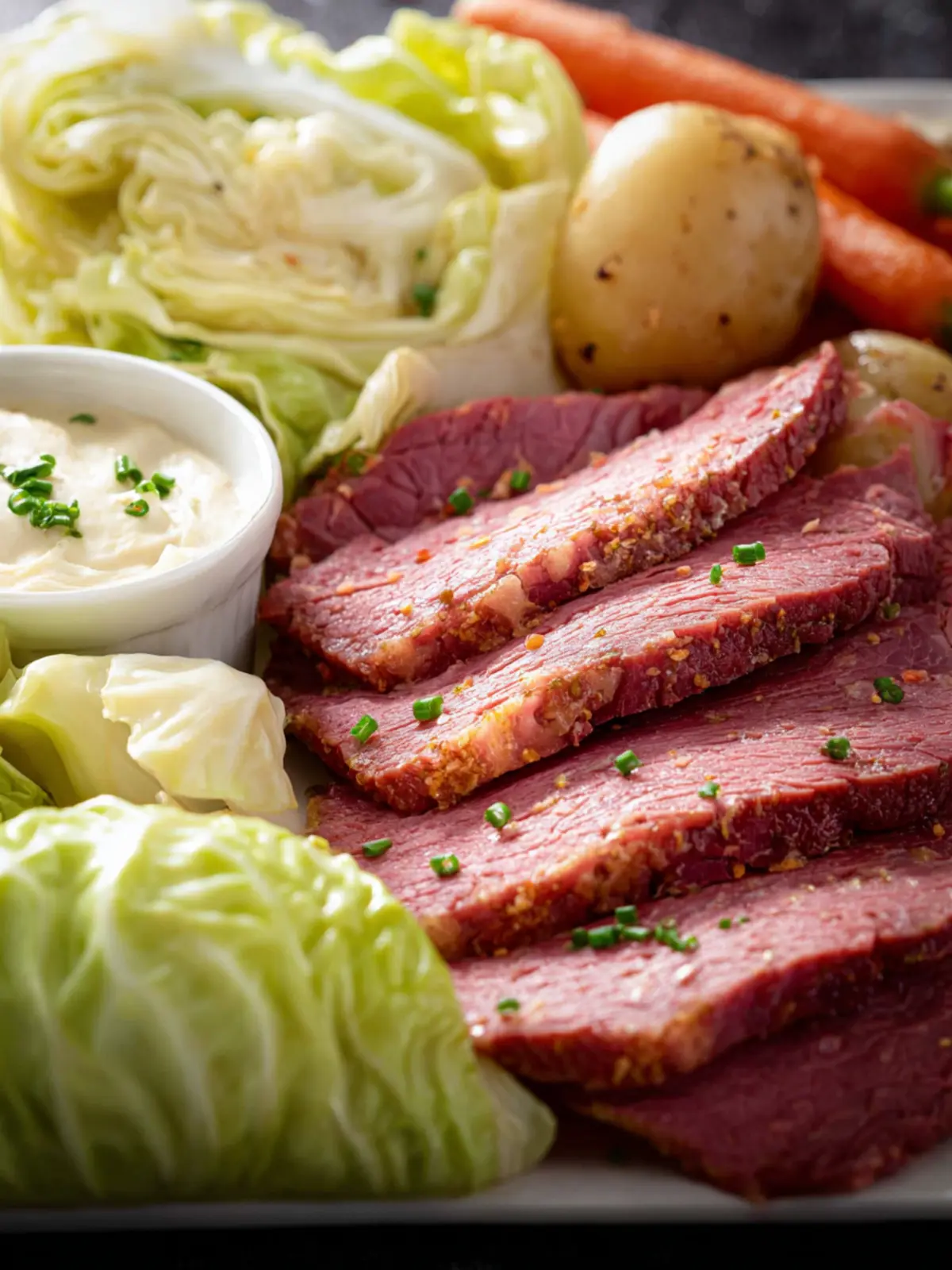
Key Ingredients for Corned Beef and Cabbage
Corned beef and cabbage is a dish steeped in tradition, often emblematic of hearty family gatherings. To achieve that tender, flavorful corned beef paired with perfectly cooked cabbage, you’ll want to focus on a few key ingredients that make all the difference.
-
Corned Beef: The star of the show! Look for a brisket that has been cured in seasoned brine, as this will provide that signature, savory flavor. When cooked slowly, it transforms into juicy, melt-in-your-mouth goodness.
-
Cabbage: I prefer using green cabbage for its sweetness and crisp texture. It holds up beautifully during cooking and becomes tender without losing its vibrant color.
-
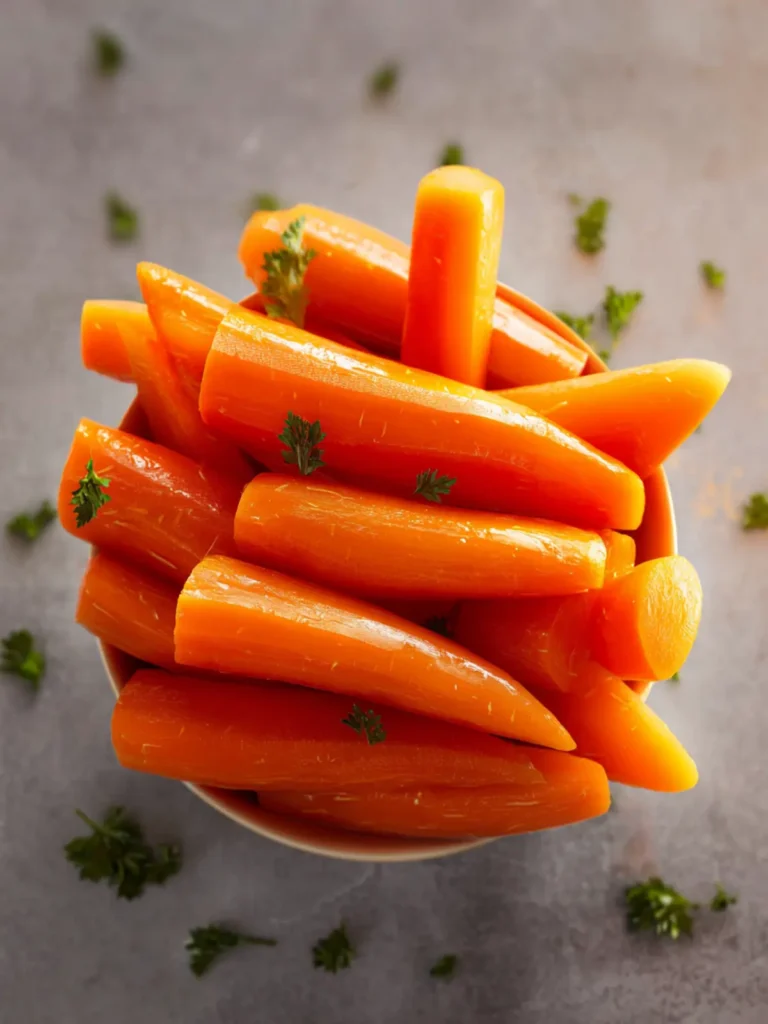
Carrots: Sweet, earthy carrots complement the corned beef perfectly. They add a nice pop of color and help balance the flavors in the dish.
-
Potatoes: For a more filling meal, include hearty potatoes. I typically opt for russet or Yukon Gold, which absorb flavors well and provide a comforting aspect to the recipe.
-
Spices: The classic spice packet typically included with corned beef is essential. It usually contains a blend of mustard seeds, peppercorns, and bay leaves, which infuse the meat with that aromatic essence we all love.
By using these ingredients thoughtfully, your corned beef and cabbage will not only be delicious but also a comforting meal to share with others.
Why You’ll Love Corned Beef and Cabbage
There’s something undeniably comforting about the classic dish, corned beef and cabbage, that makes it feel like home-cooked nostalgia. Picture this: it’s a chilly evening, and the savory aroma of slow-cooked corned beef fills your kitchen, reminding you of family gatherings and festive celebrations. You’ll quickly discover that this hearty meal is much more than just tradition.
The Perfect Combination of Flavors
Corned beef and cabbage brings together robust flavors that complement each other wonderfully. The salty, rich taste of corned beef balances perfectly with the subtle sweetness of cooked cabbage, creating a symphony of flavors that dance on your palate. Adding carrots and potatoes enhances this combination, giving you a variety of textures and tastes in each bite.
Nutritional Benefits
Aside from its deliciousness, this dish is nutritional, especially when packed with vegetables. Cabbage is low in calories but high in vitamins K and C, making it a great addition to your diet. The protein from the corned beef can help keep you feeling full, making this a satisfying meal without the guilt.
Family Tradition
Making corned beef and cabbage can even spark a sense of tradition in your home. Whether you prepare it for St. Patrick’s Day or a cozy Sunday dinner, sharing this meal can create wonderful memories with friends and family. Each bite carries a story, connecting the past with the present, making every serving not just food, but cherished moments.
So roll up those sleeves and embrace the cozy delight of corned beef and cabbage—you might just find your new go-to comfort food!

Variations of Corned Beef and Cabbage
Exploring the delightful world of corned beef and cabbage can reveal a treasure trove of variations that make this classic dish even more exciting. Here are a few fun twists to inspire your next meal.
International Flair
Why not add a global touch to your corned beef and cabbage? In Ireland, the dish traditionally includes carrots, giving the meal a subtle sweetness. If you want to channel those flavors, try adding parsnips or turnips for a unique flavor profile.
Spice It Up
Looking to bring some heat to the table? Incorporate a blend of aromatic spices like smoked paprika or red pepper flakes into the cooking liquid. This variation enhances the overall taste while complementing the savory meat.
Vegetarian Twist
For a meatless option that still pays homage to the classic, consider using jackfruit as a substitute for corned beef. Combine it with your traditional cabbage and carrots, seasoned with similar spices, to create a dish that captures the spirit of corned beef and cabbage without the meat.
Flavorful Broths
Instead of just using water for boiling, experiment with a robust beef broth or even a stout beer. This can deepen the flavors, making the veggies and meat more succulent while giving a lovely depth to your overall dish.
With these delightful variations, every meal featuring corned beef and cabbage can feel like a new culinary adventure!
Cooking Tips and Notes for Corned Beef and Cabbage
When preparing corned beef and cabbage, it’s not just about combining ingredients; it’s an experience steeped in tradition and flavor. This dish often graces our tables during St. Patrick’s Day, but its heartwarming profile deserves to be enjoyed year-round. To elevate your cooking experience, consider these handy tips:
Choose the Right Cut
Selecting the right cut of meat is crucial for achieving that melt-in-your-mouth tenderness. A brisket is often preferred as it becomes succulent after slow cooking. Ask your butcher for a well-marbled cut for added flavor.
Low and Slow is the Way to Go
To ensure your corned beef and cabbage is flavorful and tender, opt for low and slow cooking. Whether you’re using a slow cooker or stovetop, give it ample time to simmer. It’s about patience—as the hours go by, the flavors meld beautifully.
Add Flavorful Aromatics
Enhance your simmering broth with aromatic vegetables. Besides the traditional cabbage, consider adding carrots, potatoes, or even some garlic for an added depth of flavor. The broth will soak into each ingredient, creating a cohesive dish that packs a punch.
Rest Before Serving
Allow the corned beef to rest for at least 15 minutes after cooking. This helps the juices redistribute, ensuring each slice remains juicy and flavorful. Then, slice against the grain for the most tender bites.
By incorporating these tips, your corned beef and cabbage dish will turn into a warm, comforting meal that invites everyone to the table.

Serving Suggestions for Corned Beef and Cabbage
When it comes to enjoying corned beef and cabbage, the right accompaniments can elevate your meal to unforgettable heights. This classic dish, beloved for its hearty comfort, can be complemented in many delightful ways that bring out its rich flavors.
Must-Have Sides
- Colcannon: This Irish dish blends mashed potatoes and cabbage, making it a fantastic side that harmonizes beautifully with the corned beef.
- Boiled Potatoes: Simple yet effective, new potatoes tossed in butter and parsley provide a light counterbalance to the richness of the beef.
- Carrots: Roasted or steamed, their sweetness pairs perfectly with the savory notes of the corned beef.
Flavor Enhancers
- Mustard: A tangy mustard, such as whole grain or spicy brown, is a traditional accompaniment that adds a delightful kick.
- Horseradish: A small dollop can cut through the meaty richness, amplifying the flavors of your dish.
Perfect Pairings
- Beer: A robust Irish stout or a crisp lager complements the meal wonderfully, while sparkling water with lime offers a refreshing alternative.
- Bread: Serve with crusty soda bread for an added layer of satisfaction; it’s perfect for mopping up those irresistible juices.
With these suggestions in mind, you’re set to create a memorable dining experience centered around the wonderful corned beef and cabbage. Enjoy the warmth of tradition and good company!
Time Breakdown for Corned Beef and Cabbage
Crafting a hearty dish like corned beef and cabbage requires some thoughtful timing to ensure everything turns out perfectly. Here’s a breakdown that will keep your cooking journey smooth and organized.
Preparation Time
Begin by setting aside approximately 15 minutes for prep. During this time, you’ll chop the cabbage, peel the carrots, and season the corned beef. It’s a straightforward process that helps streamline your cooking.
Cooking Time
The cooking magic happens over 3 to 4 hours. You’ll simmer the corned beef until it’s tender, allowing all those flavors to meld beautifully. After that, toss in the vegetables, allowing them to cook until just right—crisp-tender and bursting with flavor.
Total Time
When you add both the prep and cooking times together, you’re looking at a total of around 3 hours and 15 minutes. This investment of time will reward you with a satisfying, traditional meal that’s perfect for gatherings or cozy family dinners.
Nutritional Facts for Corned Beef and Cabbage
Exploring the nutritional facts for corned beef and cabbage opens the door to understanding how this hearty dish can fit into a balanced diet. Rich in flavor and tradition, it’s also packed with essential nutrients.
Calories
A serving of corned beef and cabbage typically contains around 350-400 calories. This makes it a satisfying dish that can still be part of a mindful eating plan, particularly when balanced with fresh veggies.
Protein
What’s more, this delightful combination provides a good protein punch, offering about 30 grams per serving. That’s great news for those seeking to increase their protein intake without resorting to protein shakes.
Sodium
However, it’s crucial to note that this dish can be higher in sodium—approximately 1,200 milligrams per serving—mainly from the cured beef. So, if you’re watching your salt intake, consider pairing your meal with low-sodium broth or seasonings.
Keep these nutritional insights in mind as you enjoy your corned beef and cabbage. It’s all about balance!
FAQs about Corned Beef and Cabbage
When it comes to a comforting and hearty dish, corned beef and cabbage can steal the spotlight at any meal. This beloved classic brings not just flavor but a rich history, often served during festive occasions like St. Patrick’s Day. But as with any dish, you might have questions. Let’s explore some common inquiries to enhance your cooking experience.
How long should I cook corned beef?
To achieve tender and flavorful corned beef, a standard guideline is to simmer it for about 2.5 to 3 hours for a 3 to 4-pound brisket. This might seem long, but the slow cooking allows the flavors to develop beautifully. It’s essential to use enough water to cover the meat and to add seasoning—usually included in the packaging. A fork should easily penetrate the beef when it’s properly cooked.
Can I make corned beef and cabbage in a slow cooker?
Absolutely! A slow cooker is a fantastic option for making corned beef and cabbage. Just place your brisket in the cooker, cover it with water or broth, and add any spices. Set it on low for 8-10 hours, and you’ll come home to a mouthwatering meal. Toss in the cabbage during the last 1-2 hours of cooking to ensure it remains crisp yet tender.
What can I serve with corned beef and cabbage?
While corned beef and cabbage is a meal in itself, you can elevate your dinner by pairing it with:
- Mustard or horseradish sauce: A classic condiment that adds a zesty kick.
- Irish soda bread: Perfect for mopping up any leftover juices.
- Roasted potatoes: They add a delightful crunch and complement the flavors nicely.
- Carrots: Either boiled or roasted, they can add a touch of sweetness to your plate.
Now you’re ready to dive into this satisfying dish like a pro! Enjoy your culinary adventure with corned beef and cabbage!
Conclusion on Corned Beef and Cabbage
As you savor the last bite of your delicious corned beef and cabbage, take a moment to appreciate the tradition and flavors that this dish brings to the table. This classic meal is not just about nourishing your body; it’s about gathering with friends and family, sharing stories, and creating lasting memories. By following the simple steps outlined in this recipe, you’ve not only cooked a comforting dish but also embraced a piece of culinary history. So next St. Patrick’s Day or any occasion for celebration, don’t hesitate to whip up this timeless favorite. It’s sure to be a hit!
Print
Corned Beef and Cabbage
- Total Time: 3 hours 30 minutes
- Yield: 8 servings 1x
- Diet: Gluten-Free
Description
A classic corned beef and cabbage recipe, perfect for St. Patrick’s Day or any family gathering.
Ingredients
Scale
- 1/2 cup sour cream
- 2 tablespoons prepared horseradish
- 2 tablespoons dijon mustard
- 1/2 large onion
- 3–5 pounds corned beef brisket (uncooked, with spice packet)
- 4 cloves garlic (thinly sliced)
- 2 bay leaves
- 2 cups beef broth
- 2 pounds small red potatoes (halved or quartered)
- 3 large carrots (peeled and cut into 2-inch pieces)
- 1 small head green cabbage (sliced)
Instructions
- Combine the sour cream, horseradish, and mustard in a small bowl. Refrigerate until needed.
- Chop the onion into large chunks and place on the bottom of a large Dutch oven. Place the corned beef brisket on top of the onion, along with the seasoning packet, garlic, and bay leaves.
- Pour in the beef broth. Add enough water to come to the top of the beef, but not completely covering it.
- Bring to a simmer over medium-high heat, then cover the pan, reduce the heat to low, and cook until the meat is tender, about 50 minutes per pound.
- When the meat is tender, remove it to a cutting board and cover with foil to keep warm.
- Add the potatoes and carrots to the pot and cover. Cook for 20-25 minutes, or until the vegetables are just short of tender.
- Add the cabbage and cook for an additional 10 minutes.
- Cut the corned beef against the grain.
- Serve the corned beef with the potatoes, carrots, and cabbage, as well as the horseradish mustard.
Notes
- For a bit of kick, you can add more horseradish to the sauce.
- Enjoy leftovers in sandwiches or as a hash.
- Prep Time: 30 minutes
- Cook Time: 3 hours
- Category: Main Dish
- Method: Boiling
- Cuisine: Irish
Nutrition
- Serving Size: 1 serving
- Calories: 400
- Sugar: 3g
- Sodium: 1200mg
- Fat: 20g
- Saturated Fat: 7g
- Unsaturated Fat: 8g
- Trans Fat: 0g
- Carbohydrates: 30g
- Fiber: 5g
- Protein: 30g
- Cholesterol: 80mg