Follow Me On Social Media!
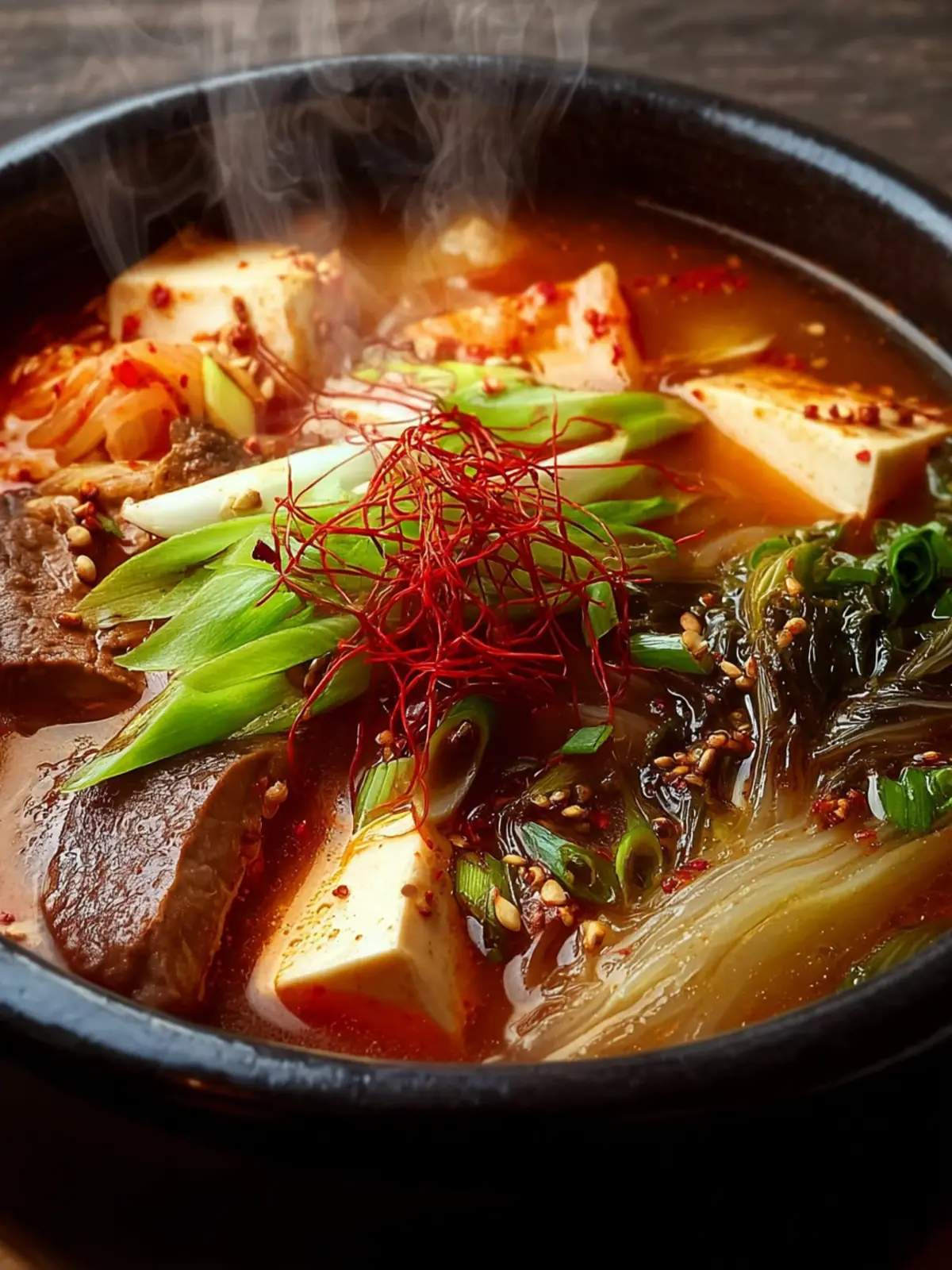
Korean Winter Soup Recipe: Cozy Comfort in Every Sip

Introduction to Korean Winter Soup Recipe
Korean winter soup is more than just a dish; it’s a heartwarming embrace on a cold day. The aroma alone can transport you to bustling streets in Seoul, where vendors serve steaming bowls to passersby, fueling them with warmth and comfort. As the temperature drops and snow begins to blanket the world outside, nothing compares to the soothing embrace of a traditional Korean winter soup. It speaks not only to the palate but also to the soul, turning a simple meal into an experience that connects to cherished memories.
When winter sets in, we often crave hearty meals that fill us up and keep us warm. Korean winter soup embodies this spirit beautifully. Imagine cozying up with a bowl of rich broth, fragrant herbs, and tender vegetables—each ingredient adding its own warmth. The blend of savory tastes and textures in this recipe transforms it from mere sustenance into a comforting ritual that brings joy during the season of frost.
What makes Korean winter soup so comforting?
There’s an undeniable magic in Korean winter soup, often enhanced with ingredients like tender meats, vibrant vegetables, and deliciously rich broths. Here’s why it feels so comforting:
- Nutrient-Rich Ingredients: Filled with vegetables like daikon radish and leafy greens, these soups provide essential vitamins to keep you healthy through the cold months.
- Umami Flavor: The addition of ingredients such as gochugaru (Korean chili flakes) and sesame oil elevates the dish with rich umami flavors that dance on your palate, creating an experience that’s deeply satisfying.
- Hearty Textures: From tender pieces of beef to silky tofu, each spoonful promises a variety of satisfying textures, making every mouthful an adventure.
- Cultural Connection: For many, enjoying a warm bowl of Korean winter soup is a nostalgic reminder of family gatherings and shared meals. It weaves together stories and traditions, making it not just a soup but a symbol of home and care.
As you prepare your own Korean winter soup, you’re not just cooking; you’re crafting a piece of culture and a vessel for memories. Get ready to dive into a recipe that will warm your heart through and through!
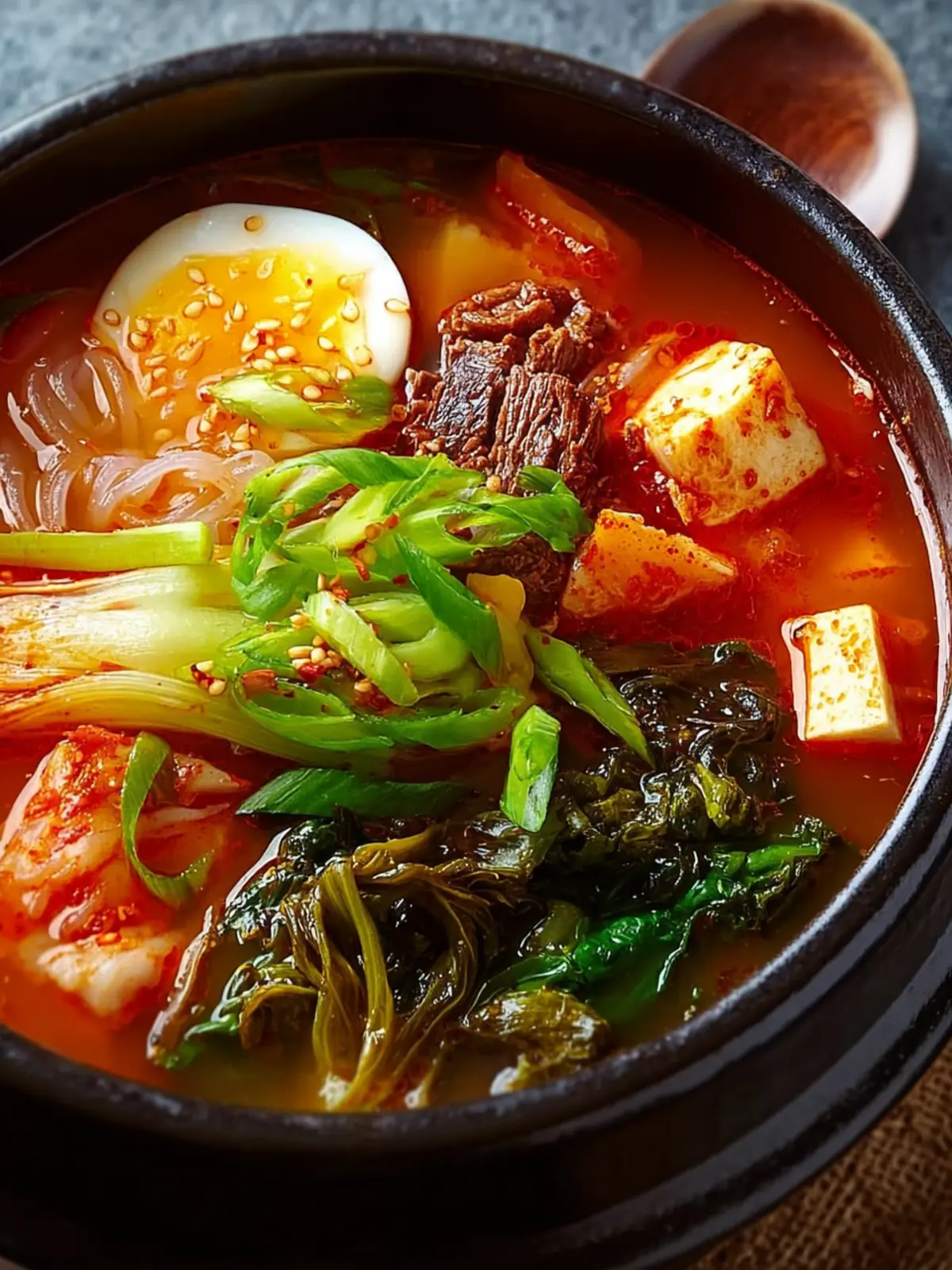
Key Ingredients for Korean Winter Soup Recipe
Creating a heartwarming Korean Winter Soup Recipe is an experience steeped in tradition, much like the family gatherings that often accompany it. As the chilly winds blow outside, this soup wraps you in warmth, showcasing the key ingredients that truly bring it to life.
-
Broth: The foundation of your soup, a rich and savory broth sets the stage. Whether you opt for homemade stock or a good-quality store-bought version, it should be comforting and full of depth.
-
Meat: Tender beef or pork is commonly used, offering not just flavor but also a satisfying texture. The marbled fat in the meat contributes to the savory richness that makes winter soups so delightful.
-
Vegetables: Varieties like radish, mushrooms, and green onions add a medley of tastes and colors. I particularly love the crunch of fresh vegetables contrasting with the warmth of the soup.
-
Tofu: Soft and silky, tofu brings a subtle creaminess to the dish. Its ability to absorb flavors makes it an essential addition, enriching each spoonful.
-
Seasonings: Don’t forget key seasonings like soy sauce, garlic, and sesame oil. They act as the flavor heroes, ensuring every bite delivers that authentic Korean taste.
These ingredients not only create a Korean Winter Soup Recipe that’s nutritious but also tell a story of comfort during those chilly nights.
Why You’ll Love This Korean Winter Soup Recipe
A warm bowl of Korean winter soup embodies the spirit of chilly evenings, inviting you to wrap your hands around the comforting warmth. When the bitter cold creeps in, sipping on this heartwarming dish feels almost like getting a hug from an old friend.
Perfect for Cold Days
Imagine coming home after a long day, feeling the cold lingering on your skin. This soup is not just a meal; it’s a remedy. Its flavorful broth warms you from the inside out, while the tender vegetables and hearty protein make it incredibly satisfying.
Health Benefits
What’s great about this dish is that it doesn’t just soothe your soul; it also packs a nutritional punch. Rich in vitamins and minerals, the ingredients can help boost your immunity during flu season, making it a top choice for colder months.
Easy to Make
You’ll love the simplicity of this Korean winter soup recipe. With straightforward ingredients and instructions, you don’t need to be a culinary expert to create a tasty meal. In no time, you’ll have a delicious pot simmering on your stove, filling your home with enticing aromas.
A Meal for Everyone
Whether enjoyed alone or shared with family and friends, this soup creates a warm atmosphere that encourages togetherness. So grab your favorite bowl, and let this Korean winter soup be your go-to comfort food all season long.
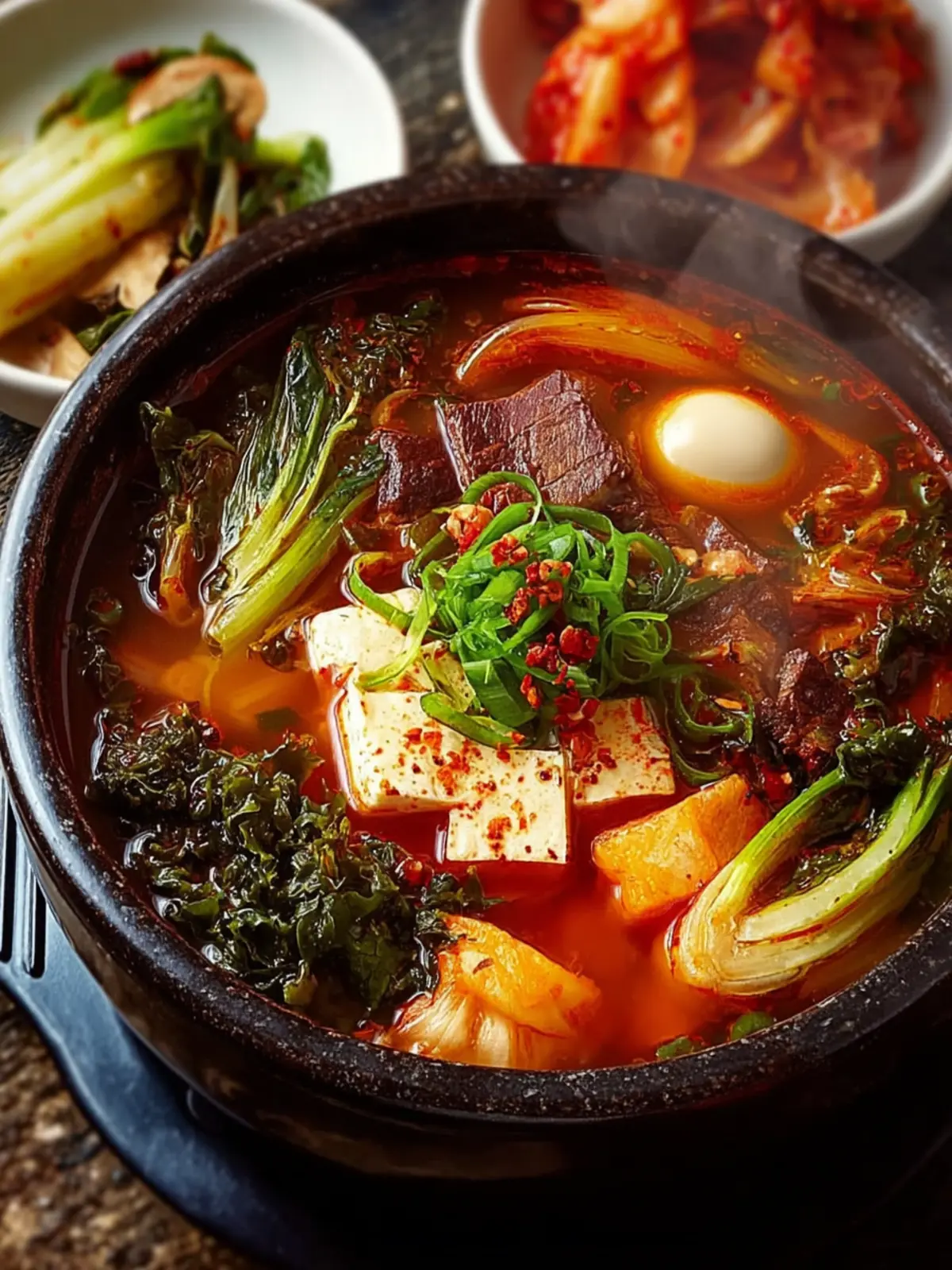
Tips for Making the Perfect Korean Winter Soup
Crafting the ideal Korean winter soup goes beyond just following a recipe; it involves embracing a warm, hearty tradition that nourishes both the body and soul. Here are some practical tips to enhance your cooking experience and yield a soup that feels like a hug in a bowl.
Choosing the Right Ingredients
- Base: Start with a quality broth. Homemade stock, especially from beef or chicken, adds depth. If short on time, opt for low-sodium store-bought alternatives.
- Proteins: Adding tender cuts of beef or chicken enhances the dish’s richness. Marinating them in soy sauce or sesame oil before cooking intensifies the flavor.
- Vegetables: Fresh vegetables like radish, mushrooms, and carrots not only enhance the taste but also add texture. Consider seasonal varieties for optimal flavor.
- Spices: Don’t skip on aromatics! Ginger and garlic provide a warming kick, while gochugaru (Korean chili flakes) introduces a subtle heat, characteristic of many Korean winter soups.
Cooking Technique
- Simmering: Low and slow is your friend. Allow the soup to simmer, as this melds the flavors beautifully. Patience makes all the difference!
- Finishing Touches: Adding the green onions and fresh herbs just before serving brightens the soup, balancing out the rich flavors.
Personal Touch
If you have a family recipe or a special ingredient that brings you joy, incorporate that. The most memorable meals often come from adding a piece of yourself to the recipe!
By following these tips, you’ll create a Korean winter soup that warms not just your stomach but also your spirit. Enjoy every comforting bowl!
Time Details for Korean Winter Soup Recipe
Creating a comforting Korean Winter Soup can transform your chilly evening into a cozy culinary retreat. Let’s break down the time commitment needed to whip up this heartwarming dish.
Preparation Time
To start, set aside about 15 minutes for preparation. This includes gathering your ingredients and chopping veggies. It’s the perfect opportunity to enjoy some cheerful music while prepping!
Cooking Time
Once you’re ready to cook, expect to spend around 45 minutes simmering. The soup will need time to let the flavors meld together beautifully, filling your kitchen with delightful aromas.
Total Time
In total, you’re looking at about 1 hour for your Korean Winter Soup Recipe experience. This time flies when you’re combining flavors and daydreaming about indulging in a bowl of warm soup!

Nutritional Information for Korean Winter Soup Recipe
Understanding the Korean Winter Soup Recipe goes beyond the delightful taste; it’s essential to appreciate the nourishment it offers. Packed with wholesome ingredients, this soup not only warms your soul but also fuels your body.
Calories
This comforting soup typically contains around 150 calories per serving, making it a guilt-free option for your chilly days. It’s hearty enough to fill you up without overwhelming your daily caloric intake.
Protein
With ingredients like tofu and various vegetables, you can expect approximately 10 grams of protein in each bowl. This is particularly beneficial for those looking to maintain an active lifestyle while enjoying a warm meal.
Sodium
To keep the flavors vibrant yet healthy, the soup boasts about 500 milligrams of sodium per serving. If you’re monitoring your salt intake, consider adjusting the seasoning to suit your dietary needs while still enjoying this traditional dish.
FAQs About Korean Winter Soup Recipe
The Korean Winter Soup Recipe is not just a dish; it’s a warm embrace on a chilly day, a celebration of comfort food that nourishes both body and soul. As you dive into this heartwarming recipe, you might find yourself with a few questions—let’s clear those up!
Can I make this soup in advance?
Absolutely! One of the best things about this Korean Winter Soup Recipe is that it only gets better with time. You can prepare the soup in advance, then store it in an airtight container in the fridge for up to three days. For longer storage, consider freezing it. Just remember to leave a little room for the soup to expand when frozen. Reheat gently on the stove or in the microwave, and you’ll enjoy a delightful meal that tastes just like it was freshly made!
What if I don’t have gochujang or gochugaru?
While gochujang and gochugaru are key ingredients that add authentic flavor to your Korean Winter Soup Recipe, don’t fret if you don’t have them on hand. You can substitute gochujang with a mix of miso paste and a bit of chili powder for a kick. For gochugaru, red pepper flakes can work in a pinch. Keep in mind that substitutes will bring a slightly different taste, but your soup will still be delicious!
How can I make the soup vegetarian-friendly?
Making the Korean Winter Soup Recipe vegetarian-friendly is simple! Swap out any meat ingredients for plant-based alternatives like tofu or tempeh. Use vegetable broth instead of meat-based broth to maintain the rich flavor. Add in extra veggies like mushrooms or carrots for additional depth. This way, everyone can enjoy this cozy dish, regardless of dietary preferences!
Conclusion on Korean Winter Soup Recipe
Embracing the warmth of a Korean Winter Soup Recipe could effortlessly transform a chilly day into a cozy experience. As you tuck into that rich, savory bowl, relish the hearty ingredients blending together, echoing the traditions passed down through generations. It’s not just a meal; it’s a heartwarming story, one that connects flavors with cherished memories.
In conclusion, this soup is a simple yet nourishing option that showcases the best of Korean cuisine. Whether you’re sharing it with family on a cold evening or savoring it solo, each spoonful reminds you of the comfort that good food brings. So, gather your ingredients and celebrate the season with this delightful bowl of comfort!
Print
Spicy Korean Beef Brisket Soup
- Total Time: 1 hour 5 minutes
- Yield: 6 servings 1x
- Diet: Gluten-Free
Description
A warming and flavorful soup made with tender beef brisket, vegetables, and bold Korean spices.
Ingredients
Scale
- 1 pound beef brisket (cut into 2-inch pieces)
- 8 cups water
- 3 tablespoons soy sauce
- 2 tablespoons Korean red pepper paste (gochujang)
- 1 tablespoon Korean red pepper powder (gochugaru)
- 4 cloves garlic (minced)
- 1 large onion (chopped)
- 2 cups napa cabbage (sliced)
- 14 oz firm tofu (cubed (1 block))
- 1 cup daikon radish (sliced)
- 2 tablespoons sesame oil
- 2 stalks green onions (sliced)
- salt and pepper (to taste)
- cooked white rice (for serving)
Instructions
- In a large pot, add the beef brisket and water. Bring to a boil over high heat, then reduce to a simmer for about 30 minutes until the beef is tender. Keep the lid slightly ajar to prevent overflows and stir occasionally.
- Skim off any impurities that rise to the surface using a fine-mesh skimmer. Gently skim the top every few minutes until the broth is clear and free of foam.
- Add the soy sauce, gochujang, gochugaru, and minced garlic into the pot. Stir well to combine, making sure the chili paste dissolves fully into the broth for an even, rich color.
- Add the chopped onion, napa cabbage, tofu cubes, and daikon radish. Continue to simmer the soup for another 20 minutes, allowing the vegetables to soften and the tofu to absorb the spicy, savory flavors.
- In a small pan, heat the sesame oil over medium heat. Add the sliced green onions and sauté until fragrant, about 1-2 minutes. Pour this aromatic oil and onion mixture into the soup.
- Season the soup with salt and pepper to taste. Adjust as necessary – add more soy sauce for depth or a pinch of gochugaru for extra heat.
- Serve hot with steamed white rice on the side. Ladle generously into bowls, letting the rice soak up the spicy broth for a satisfying, warming meal.
Notes
- This soup can be made ahead of time and stored in the refrigerator for up to 3 days.
- Feel free to adjust the spice levels by adding more or less gochugaru based on your preference.
- Cooking time may vary based on your stove and pot used.
- Prep Time: 15 minutes
- Cook Time: 50 minutes
- Category: Main Course
- Method: Stovetop
- Cuisine: Korean
Nutrition
- Serving Size: 1 bowl
- Calories: 450
- Sugar: 2g
- Sodium: 1100mg
- Fat: 20g
- Saturated Fat: 5g
- Unsaturated Fat: 15g
- Trans Fat: 0g
- Carbohydrates: 35g
- Fiber: 3g
- Protein: 30g
- Cholesterol: 85mg